
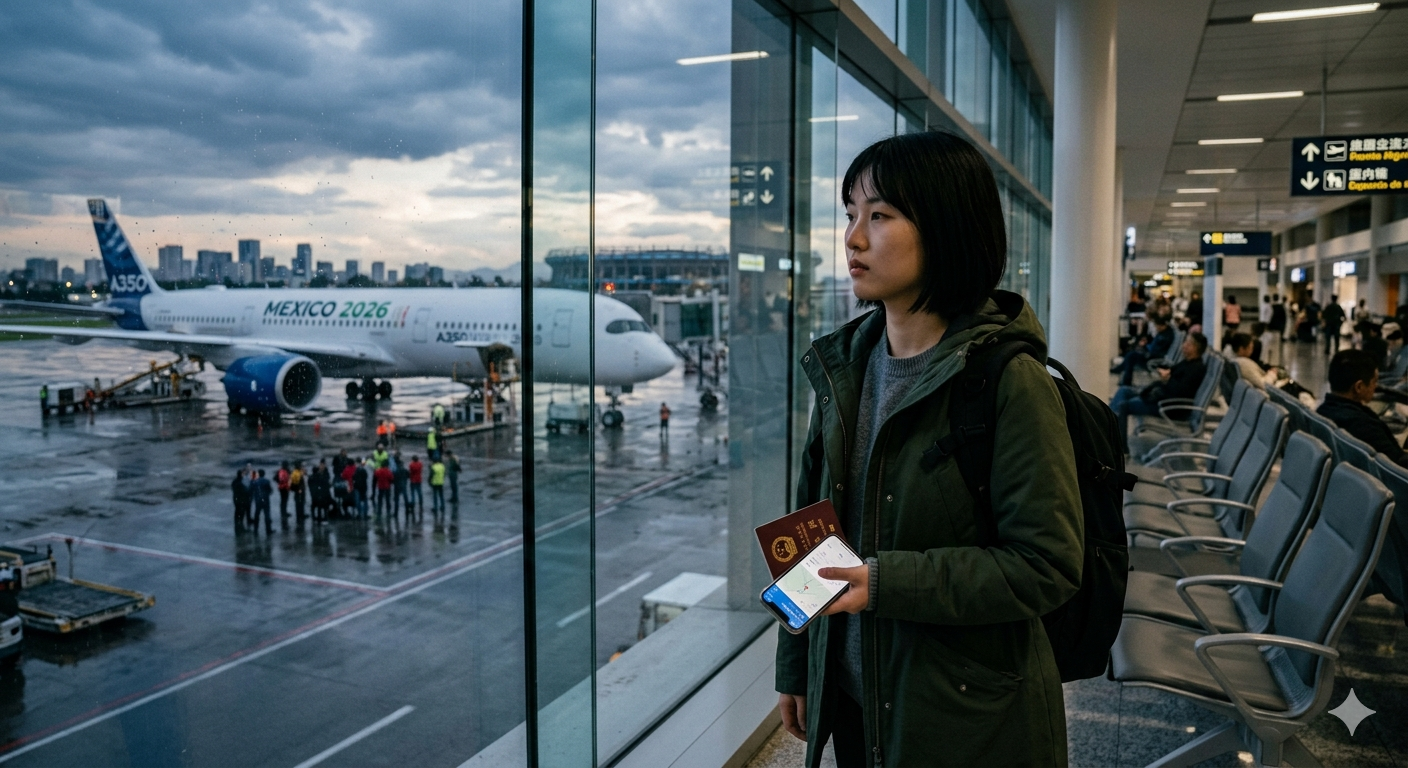
For decades, the image of a young student boarding a flight from Beijing to London or New York was a symbol of ambition. But today, that picture is fading. The trend of Chinese students studying abroad is hitting a significant crossroads as thousands of young people rethink their futures.
In a world that feels increasingly divided, the desire to chase a degree in a distant land is no longer the automatic choice it once was. From rising tuition fees to the cooling of international relations, several heavy factors are weighing down the scales. Let’s dive into why the tide is turning and what this means for the global education landscape.
1. The Financial Burden of International Degrees: Chinese students studying abroad
One of the most obvious roadblocks is the price tag. Living and studying in the United States, United Kingdom, or Australia has never been cheap, but inflation has pushed costs to new heights.
- Tuition Hikes: Universities abroad have steadily increased fees to manage their own rising operational costs.
- Currency Fluctuations: The strength of foreign currencies against the Yuan makes every dollar or pound spent feel much heavier on a family’s savings.
- Economic Pressures: The cooling Chinese economy means middle-class families are more cautious about massive spending.
Is the Return on Investment Still There?
Parents are now asking a tough question: Will this massive investment actually pay off? With the job market in China becoming more competitive, a degree from a mid-tier foreign university no longer guarantees a top-tier salary. Many graduates find that the “prestige” of being a “returnee” has lost its shine in the eyes of local HR managers.
2. Geopolitical Tension and Safety Concerns: Chinese students studying abroad
It is impossible to talk about Chinese students studying abroad without mentioning the political climate. The relationship between China and several Western nations has grown increasingly complicated. This tension creates a sense of unease for students and their parents alike.
Visa Restrictions and Policy Changes
Stricter visa screening processes, particularly in the United States, have made many students feel unwelcome. High-profile cases of academic inquiries and research restrictions have sent a chill through the community. When students feel they might be treated with suspicion rather than hospitality, they start looking elsewhere.
3. The Rise of “Study-at-Home” Options: Chinese students studying abroad
While some doors are closing abroad, many are opening within China. The domestic education system has seen massive investment and improvement. Top Chinese universities like Tsinghua and Peking University are now consistently ranked among the best in the world.
High-Quality Local Alternatives
Why travel halfway around the world when world-class research facilities are available in your backyard? The quality of domestic programs means that students no longer feel they are “settling” by staying in China. They can receive a high-level education while maintaining their social networks and staying close to the local job market.
4. Shifting Destinations: The Move to Asia: Chinese students studying abroad
Not all students who decide to leave China are heading West. There is a growing trend of “near-abroad” education. Countries like Singapore, Japan, and South Korea are becoming top choices for Chinese students studying abroad.
- Cultural Proximity: Similar values and lifestyle make the transition much easier for young students.
- Lower Costs: Tuition and travel expenses are significantly lower than in the West.
- Safety: These regions are often perceived as more stable and welcoming for Chinese nationals.
5. The Impact of the COVID-19 Pandemic: Chinese students studying abroad
The pandemic served as a massive catalyst for change. It proved that high-quality learning could happen remotely and highlighted the risks of being separated from family during a global crisis.
- Health Fears: Concerns about healthcare systems abroad made parents hesitant to send children away.
- Travel Barriers: Years of restricted travel made the prospect of international study feel less accessible.
6. Growing Anti-Asian Sentiment
Safety is a top priority for any parent sending a child thousands of miles away. Reports of rising anti-Asian sentiment in some Western countries have become a major deterrent. Families are increasingly worried about the social environment their children will face, leading them to choose safer or more culturally similar destinations.
7. Changing Career Aspirations
The modern Chinese student is more pragmatic than previous generations. Many are now looking for careers in specialized domestic industries like high-tech manufacturing and green energy. They realize that staying in China for their undergraduate degree and only going abroad for a short-term specialized program is a more “cost-effective” way to gain international exposure without losing touch with the domestic market.
Final Thoughts
The decline in Chinese students studying abroad signals a new chapter in global education. It is a story driven by a mix of economic pragmatism, shifting political winds, and the rising strength of domestic institutions. While the dream of international travel isn’t dead, it has become more calculated and cautious.
As China continues to develop its own talent and as the West navigates its internal challenges, the flow of people and ideas will keep changing. For now, the “gold rush” of overseas education has cooled into a more thoughtful, localized approach.
What is your take on this shift? Do you think a foreign degree still holds the same value it did ten years ago? Share your thoughts with us in the comments!
Read Other Interesting news here: Mexico School Calendar
