
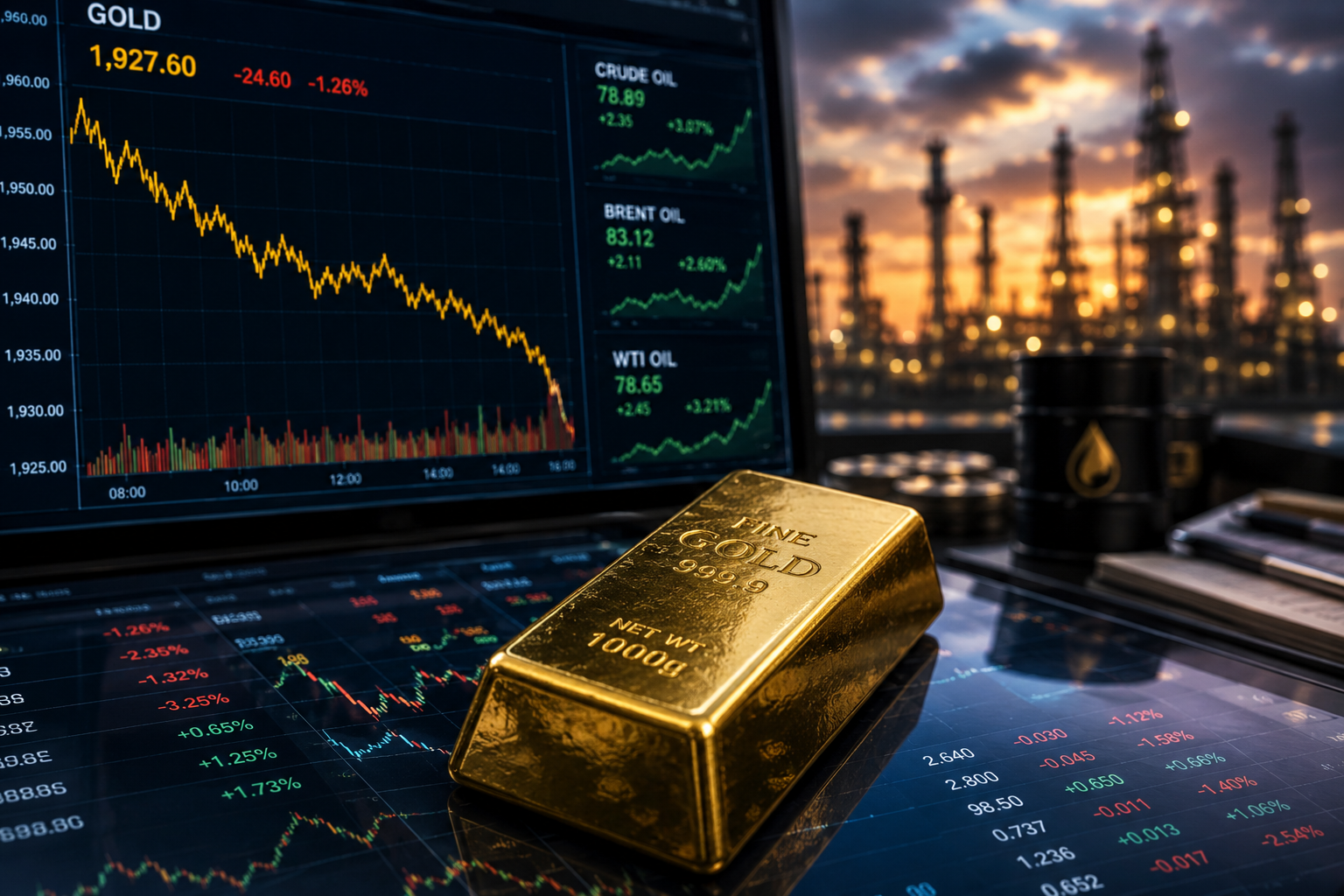
The phrase gold prices slip quickly became a major talking point across financial markets after fresh comments from President Donald Trump increased fears about inflation and rising oil prices.
Global investors reacted cautiously after Trump rejected Iran’s latest peace proposal, creating uncertainty around Middle East stability. While oil prices moved higher, gold prices moved in the opposite direction as traders adjusted their expectations about inflation, interest rates, and future market conditions.
The latest market reaction showed how closely connected global politics, energy prices, and investor sentiment have become. As the gold prices slip story developed, traders across Asia, Europe, and the United States carefully watched every update linked to Iran and the global energy market.
Why Gold Prices Slip During Market Uncertainty
Gold is usually considered a safe-haven asset during periods of global instability. However, markets do not always move in predictable ways.
This time, the reason gold prices slip is connected to rising oil prices and growing inflation concerns following Trump’s comments on Iran.
Higher oil prices often increase fears that inflation could stay elevated for longer periods. When inflation concerns rise, investors start expecting central banks to keep interest rates higher.
That expectation can pressure gold prices because gold does not generate interest like bonds or savings accounts.
Inflation Fears Changed Investor Sentiment
The latest market movement showed that inflation worries played a major role in investor decisions.
Traders feared that rising energy prices could increase transportation, manufacturing, and consumer costs worldwide.
As inflation concerns grew stronger, some investors reduced positions in gold and moved toward assets expected to perform better under higher interest rate conditions.
Trump’s Iran Remarks Triggered Market Reactions
The latest financial market movement started after President Donald Trump reportedly rejected Iran’s peace response.
According to reports, Iran had asked for an end to the conflict and guarantees against future attacks involving the United States and Israel.
However, Trump dismissed the proposal, increasing fears that tensions in the Middle East could continue.
That political uncertainty helped push oil prices higher, which became one of the main reasons gold prices slip during trading sessions.
Markets Reacted Quickly to Political Headlines
Modern financial markets often respond immediately to major political developments.
A single statement from world leaders can influence currencies, commodities, and stock markets within minutes.
Trump’s comments about Iran increased fears that diplomatic progress could become more difficult, adding pressure across global financial markets.
Oil Prices Moved Higher After Iran Tensions
One of the biggest market reactions involved rising oil prices.
As geopolitical concerns increased, investors worried that instability in the Middle East could threaten global energy supplies.
That uncertainty pushed oil prices upward while the gold prices slip trend gained momentum in commodity markets.
Middle East Remains Critical for Global Energy
The Middle East plays a central role in global oil production and shipping.
Any conflict involving Iran immediately creates concerns about supply disruptions, especially around the Strait of Hormuz, one of the world’s busiest energy shipping routes.
Because of this, traders carefully monitor political developments connected to the region.
Higher Oil Prices Increase Inflation Risks
Rising oil prices often create broader economic pressure.
Higher fuel costs can affect:
- Transportation
- Manufacturing
- Shipping
- Consumer prices
- Business operating expenses
As a result, markets feared that inflation could remain elevated for a longer period.
This inflation concern became another major reason why gold prices slip despite ongoing geopolitical uncertainty.
Investors Focus on Interest Rate Expectations
Another important reason gold prices slip involves expectations about interest rates.
When inflation risks increase, investors often believe central banks may delay cutting interest rates or even keep borrowing costs higher for longer.
That outlook can reduce demand for gold.
Gold Performs Differently During High Interest Rates
Gold does not provide interest payments or investment income.
Because of this, investors sometimes move money away from gold when interest rates rise or are expected to remain high.
Higher rates can make bonds and savings products more attractive compared to gold investments.
Federal Reserve Expectations Remain Important
Financial markets continue watching signals connected to the US Federal Reserve.
Any signs that inflation may stay elevated could influence future decisions about monetary policy.
This uncertainty continues shaping gold prices, currency markets, and investor behavior worldwide.
Asian Markets Reacted Carefully
Trading activity across Asian markets reflected growing caution among investors.
As the gold prices slip trend continued, traders closely monitored developments involving Iran, energy markets, and US policy expectations.
Several currencies and commodity markets also reacted to the latest geopolitical headlines.
Investors Became More Defensive
Periods of uncertainty often push investors toward defensive strategies.
Instead of chasing risky investments, many traders focus on protecting their money from market volatility.
That cautious mood became visible across several financial markets following Trump’s latest remarks.
Stronger Dollar Added Pressure on Gold
Another major factor behind the gold prices slip trend was the stronger US dollar.
Gold is usually priced in dollars globally. When the dollar becomes stronger, gold often becomes more expensive for buyers using other currencies.
This can reduce international demand for gold and place additional pressure on prices.
Safe-Haven Demand Shifted Toward the Dollar
During the latest market reaction, some investors preferred the US dollar over gold.
Financial markets often view the dollar as one of the safest global currencies during periods of uncertainty.
That shift in investor behavior contributed to weaker gold prices during trading sessions.
Financial Markets Remain Highly Sensitive
Global markets continue reacting quickly to every update connected to Iran and Middle East stability.
Investors remain concerned about:
- Energy supply risks
- Inflation pressure
- Interest rates
- Currency strength
- Global economic stability
These concerns continue influencing both commodity and financial markets.
Volatility Could Continue
Analysts believe market volatility may continue if geopolitical tensions remain unresolved.
As long as uncertainty surrounding Iran and global energy supplies continues, traders are expected to remain cautious.
This environment could keep both oil and gold prices highly sensitive to political developments.
Why Investors Continue Watching Gold Closely
Even though gold prices slip in the short term, many investors still consider gold an important long-term safe-haven asset.
Gold often attracts strong demand during periods of economic instability, inflation concerns, or financial market stress.
Because of this, traders continue closely watching how global political events influence future price movements.
Gold Still Holds Long-Term Importance
Despite temporary market declines, gold remains one of the world’s most widely trusted investment assets.
Central banks, institutional investors, and individual traders continue holding gold as part of broader financial protection strategies.
This means market attention around gold is unlikely to fade anytime soon.
Final Thoughts
The latest financial developments show how closely global politics and commodity markets are connected. The gold prices slip trend emerged after President Donald Trump’s remarks on Iran increased fears about higher oil prices and rising inflation.
At the same time, stronger oil prices, a stronger US dollar, and changing interest rate expectations created additional pressure on gold markets.
Investors now remain focused on future developments involving Iran, energy supplies, and central bank policy decisions. Until markets receive clearer signals about inflation and geopolitical stability, gold prices are likely to remain highly sensitive to global events.
Read Other Interesting news here: Dollar Strengthens
