
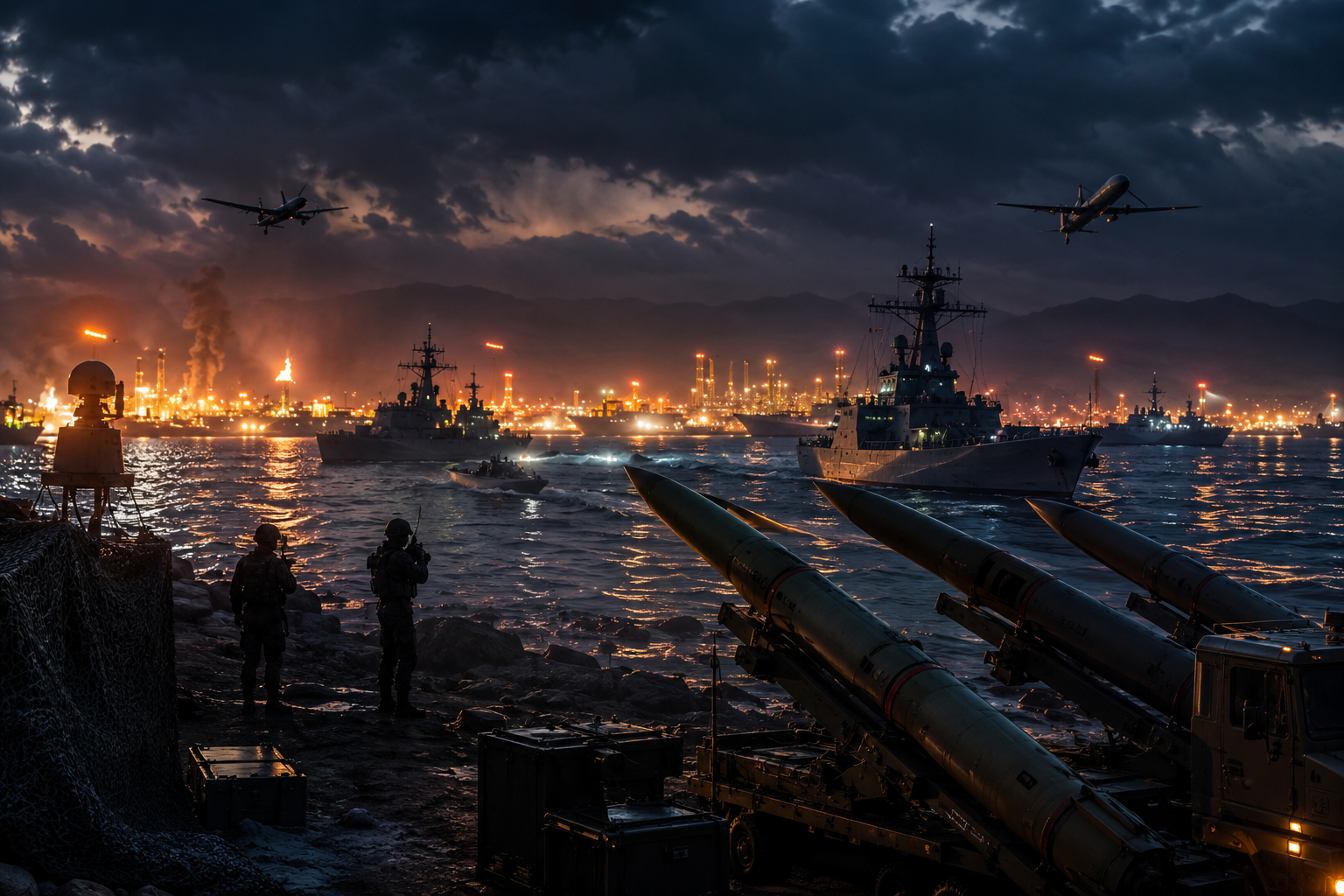
The debate over Iran Retaliation Options is growing more serious as tensions continue rising across the Middle East. Governments, military experts, and global markets are all watching closely as fears of a larger regional conflict increase.
In recent days, fresh warnings, military movements, and diplomatic discussions have pushed the crisis into a dangerous new phase. Reports involving Iran, Israel, and the United States have created uncertainty throughout the region.
Many analysts believe the next move from Tehran could shape the future of the Middle East for months or even years.
Why Iran Retaliation Options Are Back in Focus: Iran Retaliation Options
The situation became more intense after reports of possible future military action against Iran. International officials have continued discussing security threats, military responses, and regional defense plans.
At the same time, Iran has warned that any new attacks could trigger retaliation. This warning has increased global concern because the country has several ways to respond without starting a direct full-scale war.
Analysts say Iran Retaliation Options are now one of the biggest security concerns in global politics.
1. Missile Strikes Could Escalate Quickly
One of the strongest military tools available to Iran is its missile program.
Over the years, Iran has expanded its missile capabilities and developed long-range systems capable of targeting military sites and strategic infrastructure across the region.
Military experts believe Iran could launch:
- Ballistic missile attacks
- Precision-guided strikes
- Drone-assisted military operations
- Coordinated regional attacks
These weapons allow Tehran to respond rapidly while sending a strong political message.
Drones Are Becoming More Important
Iran has also invested heavily in military drones.
Recent regional conflicts have shown how drones can target sensitive locations with lower operational costs compared to traditional air forces. Experts believe drones may play a major role in future Iran Retaliation Options if tensions continue growing.
2. Strait of Hormuz Pressure Could Shake Oil Markets
The Strait of Hormuz remains one of Iran’s most powerful strategic pressure points.
A large percentage of global oil shipments move through this narrow waterway every day. Any disruption in the area can immediately affect international energy prices.
Security experts believe Iran could respond by:
- Increasing naval patrols
- Threatening shipping traffic
- Creating temporary disruptions
- Raising pressure on oil exports
Even small incidents in the Strait of Hormuz can create panic in global financial markets.
3. Proxy Groups Could Increase Regional Tensions
Another important part of Iran Retaliation Options involves regional allied groups.
Iran has long-standing relationships with armed organizations across different parts of the Middle East. These groups can increase pressure without direct Iranian military involvement.
Experts believe this strategy allows Iran to:
- Maintain plausible deniability
- Avoid immediate direct war
- Expand regional influence
- Increase military pressure gradually
This indirect strategy has worried several neighboring countries.
4. Cyberattacks Could Become a Silent Weapon
Cyber warfare is another growing concern.
Security analysts believe Iran has developed cyber capabilities that could target infrastructure, communications systems, financial institutions, and energy facilities.
Unlike traditional military attacks, cyber operations can create disruption without immediate physical destruction.
Possible cyber targets could include:
- Banking systems
- Energy companies
- Government networks
- Transportation infrastructure
This makes cyber warfare one of the most unpredictable Iran Retaliation Options currently being discussed.
5. Gulf Countries Fear Economic Damage
Countries across the Gulf region are trying to avoid another major conflict.
Several governments are worried that military escalation could damage oil infrastructure, trade routes, and regional investment plans. Gulf economies depend heavily on stability and secure shipping routes.
Some regional leaders have reportedly encouraged diplomatic negotiations to prevent the crisis from becoming uncontrollable.
The fear of economic instability is becoming just as important as the military threat itself.
6. Iran Also Faces Serious Risks
Although Iran has several ways to respond, the country also faces major challenges.
Economic Pressure Remains High
Years of sanctions and financial restrictions have placed heavy pressure on Iran’s economy. Rising inflation and economic uncertainty continue affecting ordinary citizens.
A long military conflict could create additional economic hardship inside the country.
Leadership Must Balance Strength and Survival
Iranian leaders are trying to show strength while avoiding a devastating regional war.
Experts say Tehran wants to maintain regional influence without triggering overwhelming military retaliation from larger powers.
This balancing act makes every political and military decision extremely sensitive.
7. Diplomacy Still Has a Chance
Despite rising tensions, diplomatic discussions are still continuing behind closed doors.
International mediators and regional governments are trying to reduce pressure through negotiations. Some reports suggest discussions have included:
- Temporary ceasefire ideas
- Security guarantees
- Nuclear-related talks
- Regional stability agreements
However, no major breakthrough has been officially announced.
Still, many global leaders believe diplomacy remains the best path forward.
Global Markets Are Reacting Nervously: Iran Retaliation Options
The crisis is also affecting the world economy.
Oil traders and investors are monitoring every development carefully. Even rumors about military action have caused fluctuations in oil prices and market uncertainty.
Experts warn that further escalation could lead to:
- Higher fuel prices
- Supply chain disruptions
- Shipping delays
- Increased market volatility
This is why financial markets are reacting so strongly to every headline connected to the Middle East crisis.
Final Thoughts
The growing discussion around Iran Retaliation Options highlights how fragile the Middle East situation has become. Military threats, political pressure, and economic uncertainty are all colliding at the same time.
Iran still has several powerful tools available, including missiles, drones, cyber operations, and regional allies. However, the risks of escalation are also extremely high for every side involved.
For now, world leaders are hoping diplomacy can prevent another devastating conflict. Still, the coming weeks may become one of the most important moments for regional stability in recent years.
The world remains focused on how Iran Retaliation Options could reshape global security and economic stability moving forward.
Read Other Interesting news here: Soft Electronics Research
