
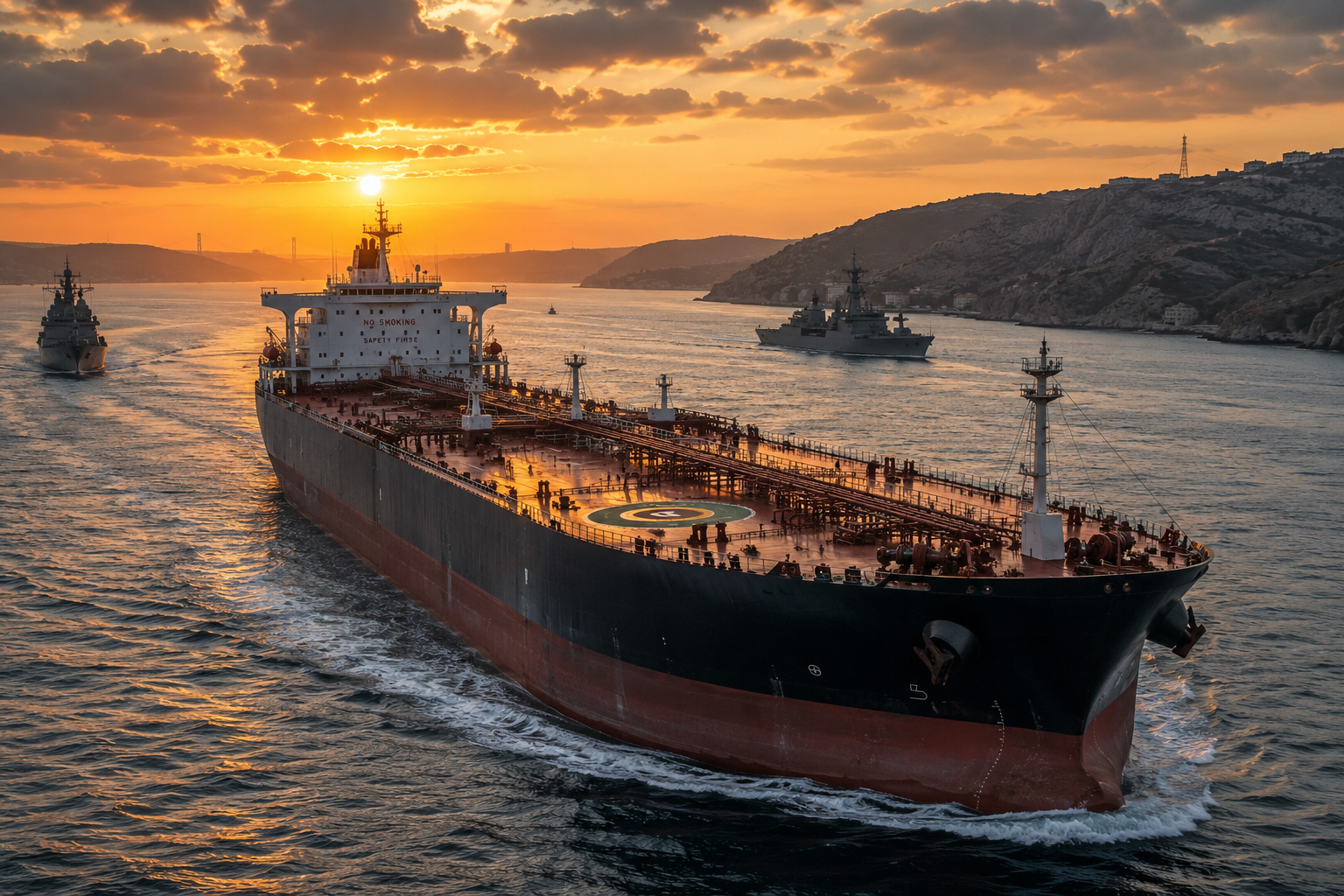
Oil prices jump again as hopes for a quick end to the Iran conflict faded in early Monday trading in Asia. The move came after President Donald Trump rejected Iran’s response to a US proposal aimed at ending the war.
For markets, the message was clear. Peace talks were still alive, but they were not close enough to calm energy traders. As a result, oil prices jump became the main concern for investors, drivers, businesses, and governments watching the Middle East crisis.
Iran had sent its response through Pakistan, which has been acting as a mediator between the two sides. According to Iran’s semi-official Tasnim news agency, Tehran called for an immediate end to the conflict and guarantees that there would be no further US-Israeli attacks on Iran.
But Trump dismissed the response as “totally unacceptable”, according to the BBC report. That sharp rejection quickly pushed attention back to oil markets and the wider risks around the region.
Why Oil Prices Jump After Trump’s Response
The reason oil prices jump is simple: traders fear uncertainty. When a war threatens energy supply, markets react fast.
Iran is a major player in the Middle East, and any conflict involving Iran, the US, and Israel can affect global energy routes. Even before supplies are directly hit, fear alone can push prices higher.
In this case, investors had been hoping that Iran’s reply could move talks closer to a deal. Instead, Trump’s rejection made the path to peace look harder.
That is why oil prices jump became the immediate market reaction in Asia.
Iran Sent Its Response Through Pakistan
A key part of this story is the role of Pakistan.
Iran sent its reply through Pakistan, which has served as a mediator between Tehran and Washington. This shows that diplomatic channels are still open, even though the tone between the two sides remains tense.
According to the report, Iran’s response included two main demands:
- An immediate end to the conflict
- Guarantees against further US-Israeli attacks on Iran
These demands show that Iran wants security assurances before agreeing to any wider settlement.
However, Trump’s response showed that Washington did not accept Iran’s position. Because of this, oil prices jump as markets started pricing in the risk of a longer conflict.
Trump Calls Iran’s Reply Totally Unacceptable
The strongest moment in the report came from President Donald Trump’s reaction.
He said Iran’s response to the US proposal was “totally unacceptable.” Those words mattered because markets often respond not only to military action, but also to political language.
When leaders sound firm, investors often expect more tension. When talks appear to fail, energy markets move quickly.
That is exactly why oil prices jump after Trump’s comment. His rejection suggested that the two sides remain far apart on how to end the war.
For many traders, that meant one thing: more risk in the Middle East.
Why the Iran Conflict Matters to Energy Markets
The Middle East remains one of the world’s most important energy regions. Any war involving Iran can affect oil supply, shipping routes, and market confidence.
This is why oil prices jump whenever there is bad news from the region. The market does not wait for a full supply shutdown. It reacts to possible danger.
Oil affects many parts of daily life, including:
- Petrol and diesel prices
- Airline fuel costs
- Shipping expenses
- Manufacturing costs
- Inflation pressure
So when oil prices jump, the impact can move far beyond traders and stock markets.
It can reach ordinary people through higher transport and energy costs.
Strait of Hormuz Remains a Major Concern
One major reason markets stay nervous is the Strait of Hormuz.
This narrow waterway is one of the most important routes for global energy shipments. When tensions rise near Iran, the safety of shipping through this route becomes a major concern.
The BBC report noted that the Strait of Hormuz trade route remains effectively shut, disrupting global energy shipments.
That single detail explains why oil prices jump so quickly. If energy shipments face delays or danger, buyers may expect tighter supply.
And when supply looks uncertain, prices often rise.
Why Shipping Routes Matter
Oil does not only need to be produced. It must also move safely from one place to another.
If a major sea route becomes risky, the whole supply chain feels pressure. Ships may face delays, higher insurance costs, or route changes.
That is why the Strait of Hormuz remains central to this crisis.
As long as the route stays under pressure, oil prices jump risks will remain part of the global market story.
Markets React to Peace Hopes and War Fears
Energy markets often move between hope and fear.
When reports suggest peace talks are moving forward, oil prices may ease. But when talks stall or leaders reject proposals, oil prices jump because traders fear more disruption.
This latest move followed that pattern.
There had been hope that Iran’s response could help end the war. But after Trump rejected the proposal, markets shifted back toward caution.
The reaction shows how sensitive oil prices are during major geopolitical crises.
Why Investors Watch Every Word
During a conflict, investors do not only watch military events. They also watch statements from leaders.
A single phrase can change market mood. Trump’s words carried weight because they suggested the US was not ready to accept Iran’s terms.
That is why oil prices jump became the headline reaction after his statement.
What This Means for Ordinary People
When oil prices jump, many people wonder how it could affect their daily lives.
The answer depends on how long prices stay high. A short rise may only affect traders. But a longer increase can create pressure across the economy.
Higher oil prices can influence:
- Fuel costs at petrol stations
- Food delivery costs
- Air travel prices
- Public transport expenses
- Business operating costs
This is why global governments closely watch oil markets during Middle East conflicts.
Even countries far away from the war can feel the impact through energy prices.
No Clear End to the Conflict Yet
The latest report shows that there is still no clear end to the conflict.
Iran has made its position known through Pakistan. Trump has rejected that response. Meanwhile, global energy markets are reacting to every sign of delay.
This does not mean diplomacy is over. However, it does mean the gap between the sides remains serious.
Until there is a clear deal, oil prices jump fears may continue to shape market behavior.
Diplomacy Still Matters
Even after strong public statements, mediation can continue behind the scenes.
Pakistan’s role as a messenger shows that communication has not completely broken down. That matters because wars often end through difficult talks, not sudden agreement.
Still, markets need more than talks. They need signs of real progress.
Without that progress, oil prices jump may remain a regular headline.
Final Thoughts
The latest news shows how closely energy markets are tied to world politics. Oil prices jump after President Donald Trump rejected Iran’s response to a US proposal to end the war, making investors worry that the conflict could last longer.
Iran’s demand for an immediate end to the fighting and guarantees against further US-Israeli attacks shows the main issue at the center of the talks. But Trump’s sharp rejection shows that a deal is still difficult.
For now, the world will keep watching the Middle East, the Strait of Hormuz, and every new signal from Washington and Tehran. If diplomacy moves forward, markets may calm. But if tensions rise again, oil prices jump could remain a serious concern for everyone.
Read Other Interesting news here: IRGC Warning
